September 3, 2025
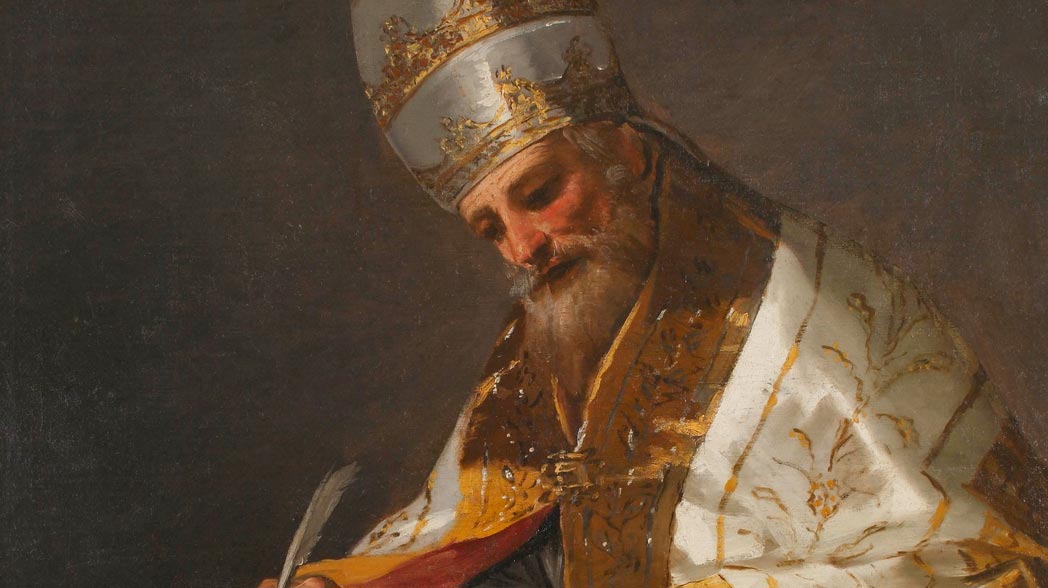
St. Gregory the Great
Colossians 1:1-8; Luke 4:38-44
St. Gregory was given the additional title “the Great” for good reason. A well-educated monk and deacon when elected pope, he was called to lead the Church near the end of the 6th century. It was a time of great political, economic, social and ecclesial turmoil. Famine, violence and plague threatened people physically and various divisions and heresies threatened them spiritually.
Following the example of Jesus in today’s gospel, Gregory was a man of deep prayer and compassion for the suffering. He was also an able administrator and politically adept. Above all, he desired to be a good pastor. Among his most notable writings was Pastoral Care, which remains a guide for bishops to the present day. Instead of emphasizing papal primacy, he chose to call himself “the servant of the servants of God.”
One of the lasting legacies of St. Gregory the Great is his enumeration of the Seven Deadly Sins (pride, anger, envy, gluttony, greed, sloth and lust) and their corresponding Seven Heavenly Virtues (humility, patience, gratitude, temperance, charity, diligence and chastity). He not only knew what St. Paul calls “the grace of God in truth,” he embodied it in his life and ministry.
3 de septiembre de 2025
San Gregorio Magno
Colosenses 1:1-8; Lucas 4:38-44
San Gregorio recibió el título adicional de «Magno» por una buena razón. Monje y diácono muy culto cuando fue elegido papa, fue llamado a dirigir la Iglesia a finales del siglo VI. Era una época de gran agitación política, económica, social y eclesiástica. El hambre, la violencia y la peste amenazaban físicamente a la gente, y diversas divisiones y herejías la amenazaban espiritualmente.
Siguiendo el ejemplo de Jesús en el evangelio de hoy, Gregorio era un hombre de profunda oración y compasión por los que sufrían. También era un administrador capaz y un hábil político. Por encima de todo, deseaba ser un buen pastor. Entre sus escritos más notables se encuentra Pastoral Care, que sigue siendo una guía para los obispos hasta el día de hoy. En lugar de enfatizar la primacía papal, optó por llamarse a sí mismo «el siervo de los siervos de Dios».
Uno de los legados perdurables de San Gregorio Magno es su enumeración de los siete pecados capitales (orgullo, ira, envidia, gula, avaricia, pereza y lujuria) y sus correspondientes siete virtudes celestiales (humildad, paciencia, gratitud, templanza, caridad, diligencia y castidad). No solo conocía lo que san Pablo llama «la gracia de Dios en la verdad», sino que la encarnó en su vida y en su ministerio.
Asistencia de traducción por DeepL.com®