
Capuchin Retreat depends on prayer, volunteer work and financial donations to continue its ministry. Give now

When Change Saves

Wednesday of the 23rd Week in Ordinary Time

Colossians 3:1-11; Luke 6:20-26

It’s sometimes hard to believe that only five years ago much of the world was in lockdown due to the Covid-19 pandemic.  Thousands of people were dying every day from the virus. Schools, houses of worship, and businesses were either closed, operating remotely, or open in altered and limited ways.  There was a lot of fear and uncertainty in the air.

As I reflected on today’s readings, I remembered the many doctors, nurses and other healthcare professionals who developed a strange routine after work.  They would change out of their clothes in the garage, jump into a shower for a “deep clean,” and eat and sleep in different parts of the house to avoid putting their families at risk and to stay healthy themselves.

Jesus and St. Paul challenge us to consider what we need to change in ourselves in order to be healthier and avoid hurting others. In his Sermon on the Plain, Jesus offers us a set of blessings and woes to consider how well we are following him. Paul urges us to “put to death” the parts of us that reflect our lower nature, i.e., our sins and sinful dispositions (concupiscence). He reminds us that, through baptism, we have “put on the new self, which is being renewed for knowledge, in the image of its creator.”

Are we ready to change?


10 de septiembre de 2025

Miércoles de la 23.ª semana del tiempo ordinario

Colosenses 3, 1-11; Lucas 6, 20-26

A veces cuesta creer que hace solo cinco años gran parte del mundo estaba confinado debido a la pandemia de la COVID-19. Miles de personas morían cada día a causa del virus. Las escuelas, los lugares de culto y los negocios estaban cerrados, funcionaban a distancia o abrían de forma alterada y limitada. Había mucho miedo e incertidumbre en el ambiente.

Al reflexionar sobre las lecturas de hoy, recordé a los muchos médicos, enfermeros y otros profesionales de la salud que desarrollaron una extraña rutina después del trabajo. Se cambiaban de ropa en el garaje, se duchaban para «limpiarse a fondo» y comían y dormían en diferentes partes de la casa para no poner en riesgo a sus familias y mantenerse sanos.

Jesús y San Pablo nos desafían a considerar qué debemos cambiar en nosotros mismos para estar más sanos y evitar dañar a los demás. En su Sermón de la Llanura, Jesús nos ofrece una serie de bendiciones y maldiciones para que consideremos cómo de bien le estamos siguiendo. Pablo nos exhorta a «dar muerte» a aquellas partes de nosotros que reflejan nuestra naturaleza inferior, es decir, nuestros pecados y disposiciones pecaminosas (concupiscencia). Nos recuerda que, a través del bautismo, hemos «revestido al nuevo hombre, que se renueva en conocimiento, a imagen de su creador».

¿Estamos listos para cambiar?

Asistencia de traducción por DeepL.com®
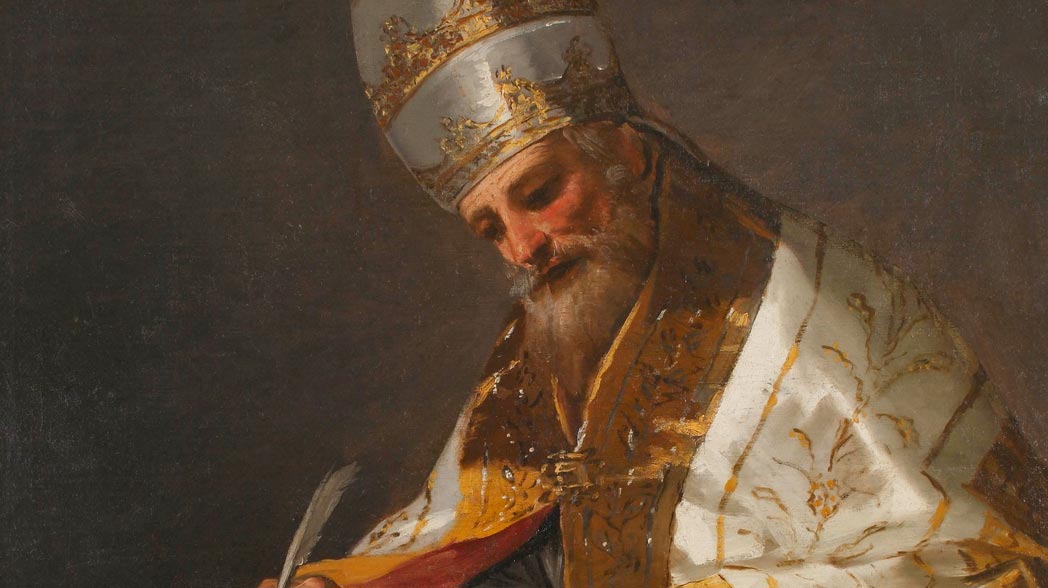
Servant of the Servants

September 3, 2025

St. Gregory the Great

Colossians 1:1-8; Luke 4:38-44

St. Gregory was given the additional title “the Great” for good reason. A well-educated monk and deacon when elected pope, he was called to lead the Church near the end of the 6th century.  It was a time of great political, economic, social and ecclesial turmoil. Famine, violence and plague threatened people physically and various divisions and heresies threatened them spiritually.

Following the example of Jesus in today’s gospel, Gregory was a man of deep prayer and compassion for the suffering. He was also an able administrator and politically adept. Above all, he desired to be a good pastor. Among his most notable writings was Pastoral Care, which remains a guide for bishops to the present day. Instead of emphasizing papal primacy, he chose to call himself “the servant of the servants of God.”

One of the lasting legacies of St. Gregory the Great is his enumeration of the Seven Deadly Sins (pride, anger, envy, gluttony, greed, sloth and lust) and their corresponding Seven Heavenly Virtues (humility, patience, gratitude, temperance, charity, diligence and chastity). He not only knew what St. Paul calls “the grace of God in truth,” he embodied it in his life and ministry.


3 de septiembre de 2025

San Gregorio Magno

Colosenses 1:1-8; Lucas 4:38-44

San Gregorio recibió el título adicional de «Magno» por una buena razón. Monje y diácono muy culto cuando fue elegido papa, fue llamado a dirigir la Iglesia a finales del siglo VI. Era una época de gran agitación política, económica, social y eclesiástica. El hambre, la violencia y la peste amenazaban físicamente a la gente, y diversas divisiones y herejías la amenazaban espiritualmente.

Siguiendo el ejemplo de Jesús en el evangelio de hoy, Gregorio era un hombre de profunda oración y compasión por los que sufrían. También era un administrador capaz y un hábil político. Por encima de todo, deseaba ser un buen pastor. Entre sus escritos más notables se encuentra Pastoral Care, que sigue siendo una guía para los obispos hasta el día de hoy. En lugar de enfatizar la primacía papal, optó por llamarse a sí mismo «el siervo de los siervos de Dios».

Uno de los legados perdurables de San Gregorio Magno es su enumeración de los siete pecados capitales (orgullo, ira, envidia, gula, avaricia, pereza y lujuria) y sus correspondientes siete virtudes celestiales (humildad, paciencia, gratitud, templanza, caridad, diligencia y castidad). No solo conocía lo que san Pablo llama «la gracia de Dios en la verdad», sino que la encarnó en su vida y en su ministerio.

Asistencia de traducción por DeepL.com®

Stay up to date with Capuchin Retreat