La Retraite des Capucins dépend de la prière, du travail bénévole et des dons financiers pour poursuivre son ministère. Donner maintenant

Turtles

Par le Père Tom Zelinski, OFM Cap.

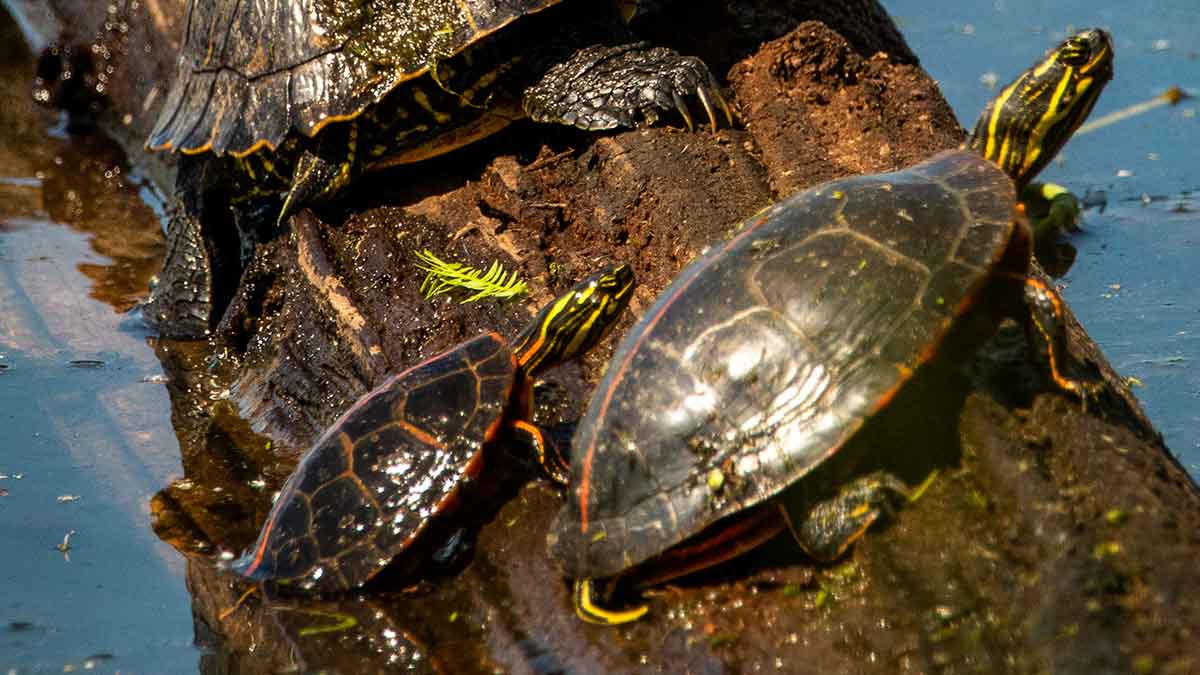
You may recall that earlier this year I reported that the friars here at Capuchin Retreat saw two turtles laying eggs in our flower bed.

Today, August 28, the feast of St. Augustine, the little progeny of one mother burst forth from their muddy nest into the bright world. One of the friars happened to notice one and alerted the rest of us.

We watched in awe as turtle after turtle climbed out of the muddy hole and onto the earth’s surface, ready to begin a new life. No one thought to count, but 40 might not be an exaggeration. We think they are baby snapping turtles from a large mother. According to the ways of nature, probably many will not survive.

After they came out, they seemed to know enough to head toward our pond, several hundred feet away. How do they know that?! We watched, amazed, thinking that, if anything is a miracle, this is, accompanied by all sorts of miracles around us.

I’m not pointing to any special “spiritual” message here, other than the message of awe and wonder and appreciation. Though we might be reminded again of Pope Franics’ plea in his encyclical, Laudato Si, that we need to take care of this one home we all share, including baby turtles.

It was wonderful for a few moments to forget about Covid-19, and social unrest, and violence, and the general sadness of this year. As a line in a song says, “for all the wonders that astound us, thanks be to God!”

Wondering

Par le Père Tom Zelinski, OFM Cap.

The former CBS commentator, Andy Rooney, would often begin his comments with: “Did you ever wonder . . . ?” I wonder about a lot of things. Maybe you do, too.

During this year I wonder at the behavior of some people. I wonder at the goodness of some and the not so goodness of others. For all the kindness and compassion we have seen, there has also been far too much anger, violence, division and a kind of craziness. For example there have been the fights and even killing over the wearing of masks. Some people have seemed to stand on their rights not to be told what to do while not considering the rights of others or not respecting the common good. People have clung to divisions and differences: too much “us against them.”

The Franciscan Richard Rohr has reminded us that there is no European air, or American air, or African air, or Chinese air. There is simply air, made up of oxygen and nitrogen, which we all breathe. We are all made of the same chemical and biological building blocks. Why all the difference and rancor and division? We are all free to pray “Our Father.” Which would make us all brothers and sisters. I wonder. Do you wonder, too?

La vallée des larmes

Par le Père Tom Zelinski, OFM Cap.

Dans la prière traditionnelle à la Sainte Mère, la Salve Regina ou “Salut, Sainte Reine”.” nous nous disons “en deuil et en pleurs dans cette vallée de larmes”. Lorsque j'étais beaucoup plus jeune et plus naïf, j'avais l'habitude de penser que c'était une attitude trop négative à l'égard de nos vies et de la religion. Trop lourde. Trop triste.

Comme l'a dit saint Augustin, “nous sommes le peuple de Pâques et l'Alléluia est notre chant‘. J'aurais voulu que ce soit davantage mon attitude. Mais au fil du temps, je me suis rendu compte qu'il y a effectivement beaucoup de choses dans la vie qui sont une ’vallée de larmes”, et nous n'avons pas besoin de le nier. Pour de nombreuses personnes, cette année a été une “vallée de larmes”, et des événements difficiles continuent de se produire.

Aussi difficile que cela ait été, il peut être bon pour nous de reconnaître que l'histoire est pleine de choses difficiles : il y a toujours eu des famines, des pestes, des guerres et toutes sortes de souffrances personnelles. Mais, au fil des siècles, il y a eu des millions de personnes bonnes, gentilles et compatissantes. Il en va de même aujourd'hui. La vie reste un mélange de bonnes et de moins bonnes choses.

En dehors de la “vallée des larmes”, la Bible nous rappelle qu'il faut se réjouir, dans le cadre de notre foi chrétienne. Saint Paul dit : “Réjouissez-vous toujours dans le Seigneur. Je le répète : réjouissez-vous !” (Philippiens 4:4) Toujours. Nous ressentons la “vallée des larmes”. Nous trouvons encore des raisons de nous réjouir parce que nous vivons en union avec Dieu qui est amour.

Petit murmure

Par le Père Tom Zelinski, OFM Cap.

Dans la première lecture du 19e dimanche de la série A, nous entendons cette célèbre image de la présence de Dieu dans un minuscule murmure. Dieu n'était pas dans le feu, le vent ou le tremblement de terre. Bien sûr, dans la Bible, la présence de Dieu est parfois décrite comme étant présente dans des événements puissants. (1 Rois 19:9-13).

Le petit murmure est peut-être plus proche de notre expérience. Il s'agit d'un passage favori pour les personnes qui organisent des retraites. Nous sommes invités à nous calmer, pendant la retraite ou les jours ordinaires, pour prêter attention à notre réalité telle qu'elle se reflète dans les petites choses.

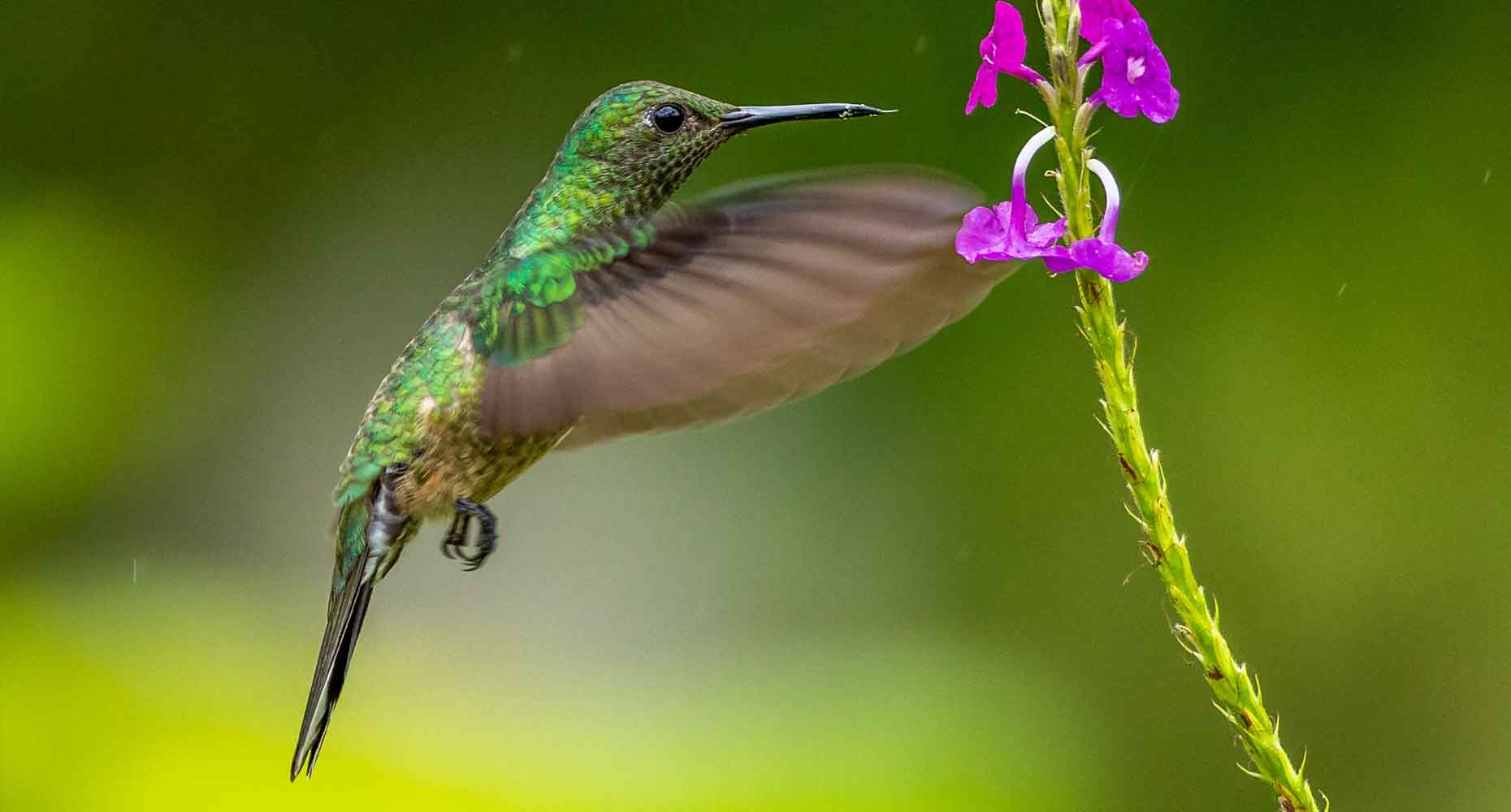
Pour y parvenir, j'aime suggérer aux gens de s'arrêter pour apprécier les petites choses qui les entourent, dans leur environnement, dans la nature. Cet été, les colibris ont été l'une de mes petites choses préférées. Un couple de pinsons domestiques a également pondu deux séries d'œufs dans un nid situé sur le rebord de notre fenêtre. Nous savons que des tortues ont pondu leurs œufs dans un parterre de fleurs. Récemment, des faons sont apparus avec leur mère. Oui, ces choses se produisent chaque année, mais nous sommes invités à les apprécier chaque année et à les considérer comme le reflet de la vie de Dieu que nous partageons tous.

Nous sommes la partie humaine et consciente de la création, et nous pouvons apprécier et louer Dieu pour ces “miracles ordinaires”. Nous pouvons ensuite approfondir notre appréciation de la vie de Dieu en nous-mêmes et dans les personnes qui nous entourent.

Le petit murmure de la présence de Dieu est partout autour de nous, et il est bon que nous réduisions notre bruit et que nous y prêtions attention.

Foi et peur

Par le Père Tom Zelinski, OFM Cap.

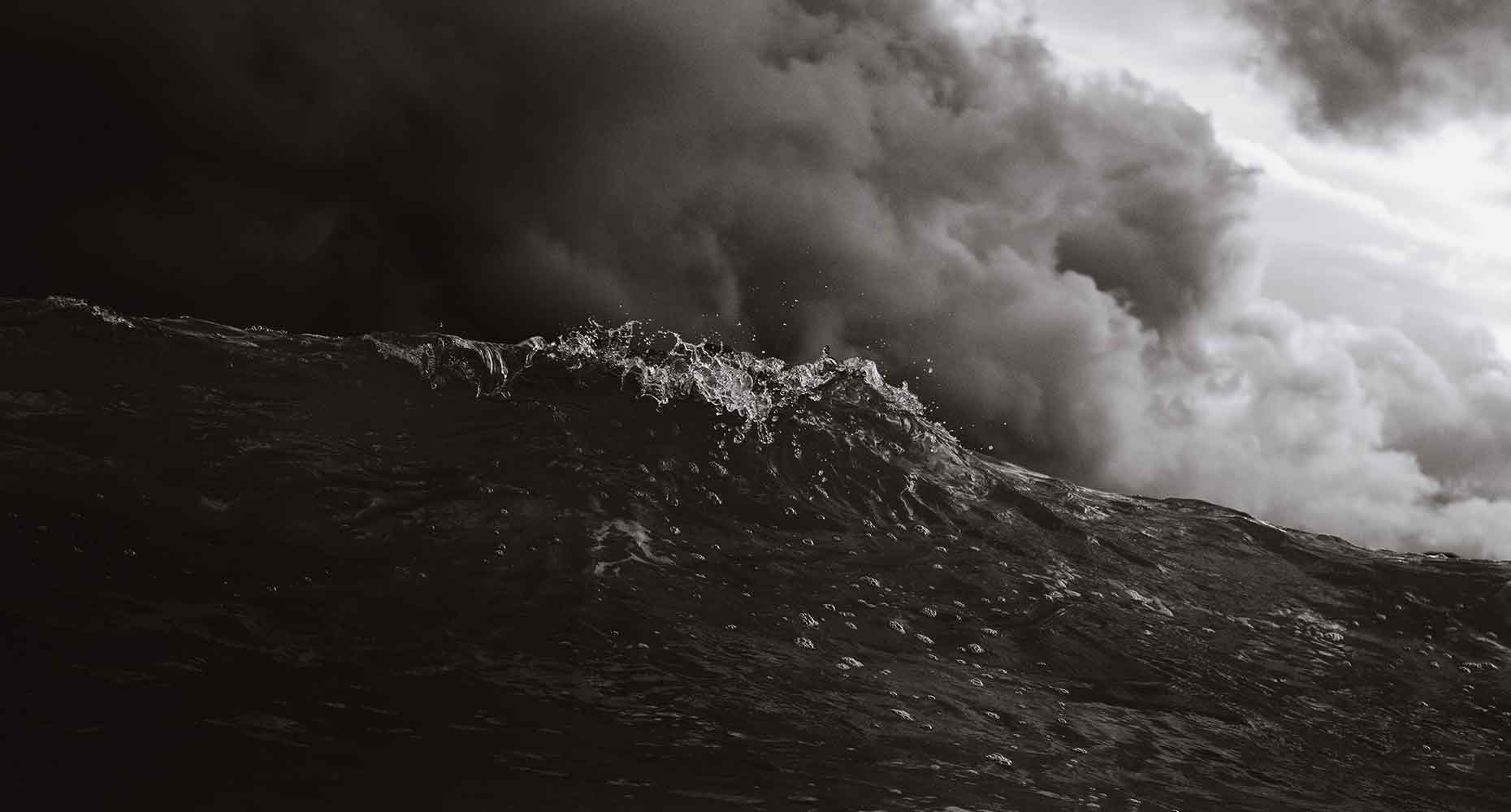
Il y a quelque temps, j'ai entendu une homélie dans laquelle le prédicateur semblait indiquer que, dans la vraie foi, il n'y a pas de place pour la peur. Le contexte était la scène des disciples dans la barque en pleine tempête et la tentative de Pierre de marcher sur l'eau.

Bien qu'il soit vrai qu'une foi vraiment forte puisse remplacer la peur en nous, je doute que quelqu'un y parvienne parfaitement. La plupart d'entre nous sont un mélange de vertu et de faiblesse. Il serait extrême de penser que nous ne devrions absolument pas avoir peur dans notre vie.

Cela me rappelle la déclaration sur le courage, selon laquelle le courage n'est pas l'absence de peur, mais la capacité d'aller de l'avant en dépit de la peur. Je rapprocherais cela de la foi. Dans notre foi et notre confiance en Dieu, nous allons de l'avant pour faire ce qui doit être fait. Les parents, les policiers, les pompiers, le personnel médical font cela tout le temps. Il y a de véritables héros parmi nous.

Je suppose que nous avons eu très peur à l'époque des pandémies. L'incertitude de ces temps suscite la peur et l'inquiétude. Quelqu'un a récemment déclaré que c'était comme si nous vivions un Carême sans Pâques en vue.

C'est pourquoi nous croyons que, malgré les tempêtes, malgré notre peur, malgré notre anxiété, le Christ nous appelle, non pas à marcher sur l'eau, mais à continuer à vivre et à tendre la main avec gentillesse et compassion.

Feed Them Yourselves

Par le Père Tom Zelinski, OFM Cap.

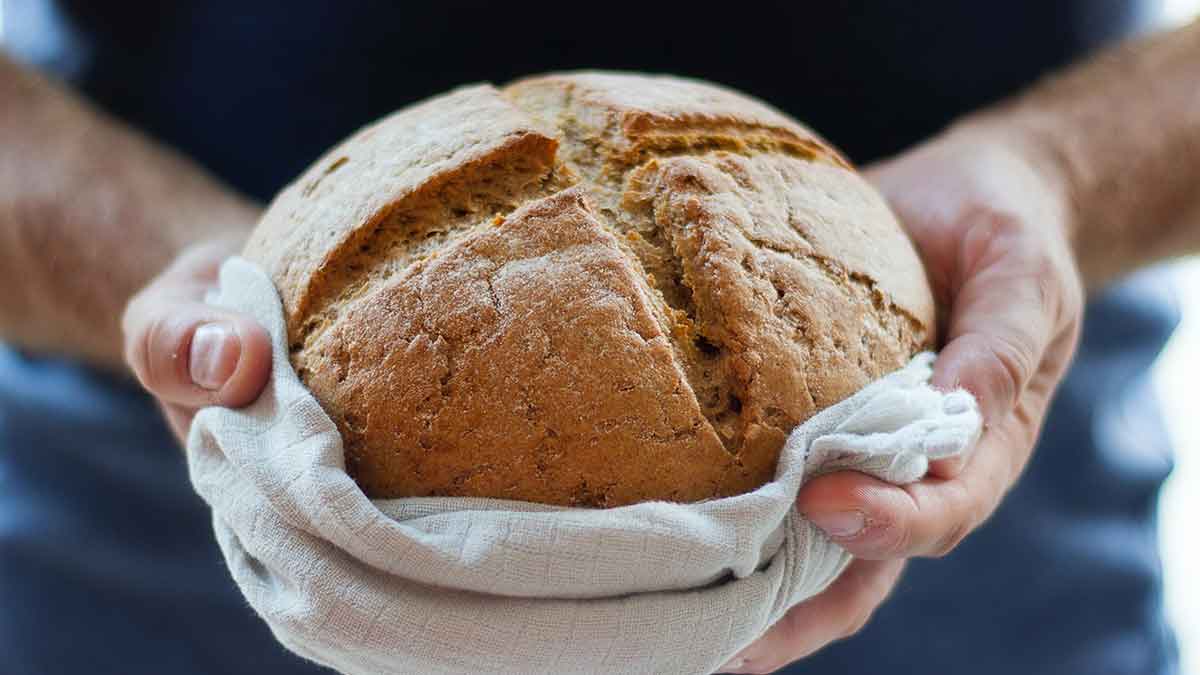
In the Gospel for the 18th Sunday, Series A, Jesus feeds thousands of people. But before doing that he also says “Give them some food yourselves.” (See Matthew 14:13-21) We could focus on the miraculous multiplication of food and be amazed at the story. But, as always, we are invited to look and look again at the words and their further meaning.

I have always found these words very challenging. “You give them some food.” Jesus is talking to you and me. How to respond? We cannot work miracles of multiplication. The challenge could be indeed to actually feed people through food banks, soup kitchens, supporting local charities or supporting organizations like Bread for the World.

But giving people “some food” may be taken symbolically. We can help and nourish people through our acts of kindness. We can offer a compassionate listening ear. We can spend time with the sick and the shut-ins — at least when we are allowed to.

We can “give food” to various organizations by volunteering our time. There can be all sorts of random acts of kindness along the way, including a simple smile or word of thanks.

Jesus invites us: “Give them some food yourselves.” What shall we do?

Blessed Solanus

Par le Père Tom Zelinski, OFM Cap.

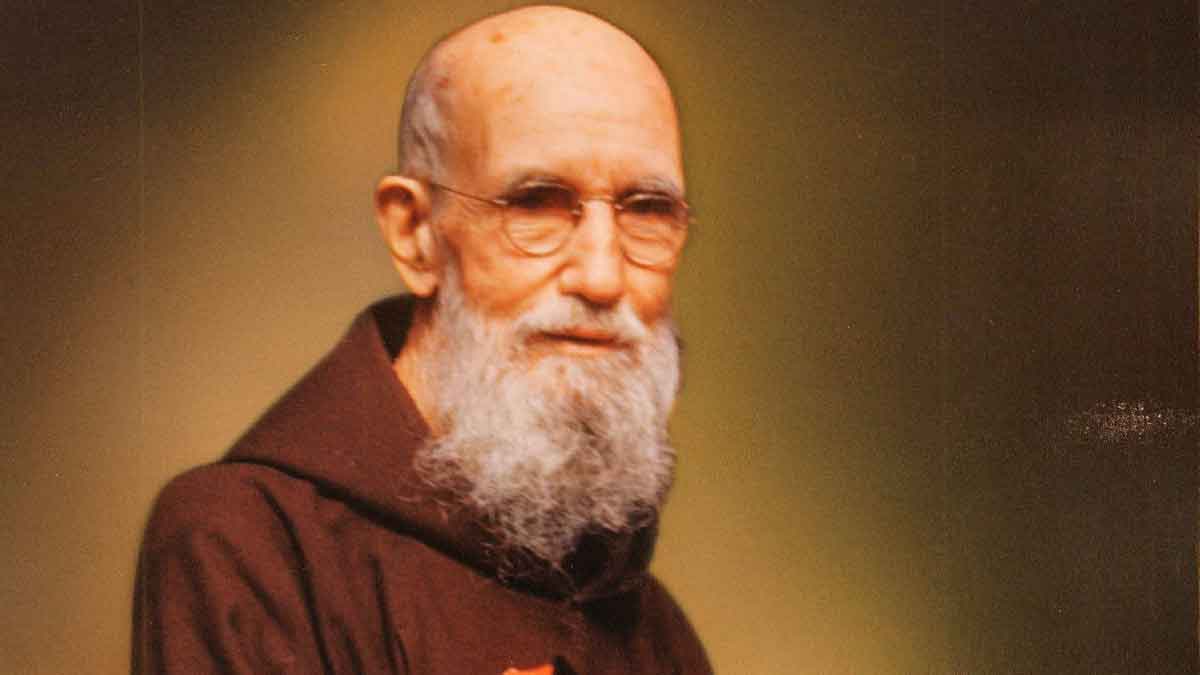
July 30 is the feast day of Blessed Solanus Casey. The Catholic Church has long had the custom of declaring certain people to have shown forth a certain level of holiness, and so we call them “Blessed” or “Saint.”

Why is Blessed Solanus considered to be a holy man? Many people would say it is because of all the stories of amazing things that happened in connection with his prayer for people, his counsel, his kindness toward all who approached him. But all of these stemmed from his basic, simple trust in God. He believed God was present to him and to all people and he lived as though he believed that.

He would tell people not to worry, but to pray, and if they were Catholic, to participate in the sacraments of the Church. It all seems so simple. But most of us don’t seem to reach the depth of trust that he had. Holiness can be an elusive topic, and it is difficult to measure holiness or to compare one’s holiness with another. We don’t control these things or “make ourselves holy” with great effort.

But some people, like Solanus, seem to open themselves more sincerely to the presence of God and let themselves become instruments of God’s grace and mercy.

What would Solanus say to us about the strange times we are in? He might refer to things he would say as regular advice. “Thank God ahead of time.” To face the rest of this year with that attitude would take some courage. Thank God for whatever is to come. And he would add his other famous words, “Blessed be God in all his designs.”

To pray like this and to believe like this is part of what it might mean to be a holy person. The Vatican Council told us we are all called to holiness. Don’t worry. Trust. Thank God constantly. We are called to that journey. Blessed Solanus, pray for us.

Remercier

Par le Père Tom Zelinski, OFM Cap.

La chapelle de notre couvent possède une grande fenêtre qui donne sur un buisson fleuri. Chaque jour, des colibris visitent les fleurs. Des petites créatures étonnantes. Le matin où j'écris ces lignes, j'ai vu une biche et un faon marcher derrière le centre de retraite.

Au début de l'été, un couple de pinsons domestiques a construit un nid sur le rebord de notre fenêtre et a produit deux récoltes d'œufs et de petits oiseaux. La deuxième couvée comptait 5 petits. Nous avons remarqué que deux tortues de tailles différentes pondaient des œufs dans notre parterre de fleurs. Nous attendons les résultats de cette activité.

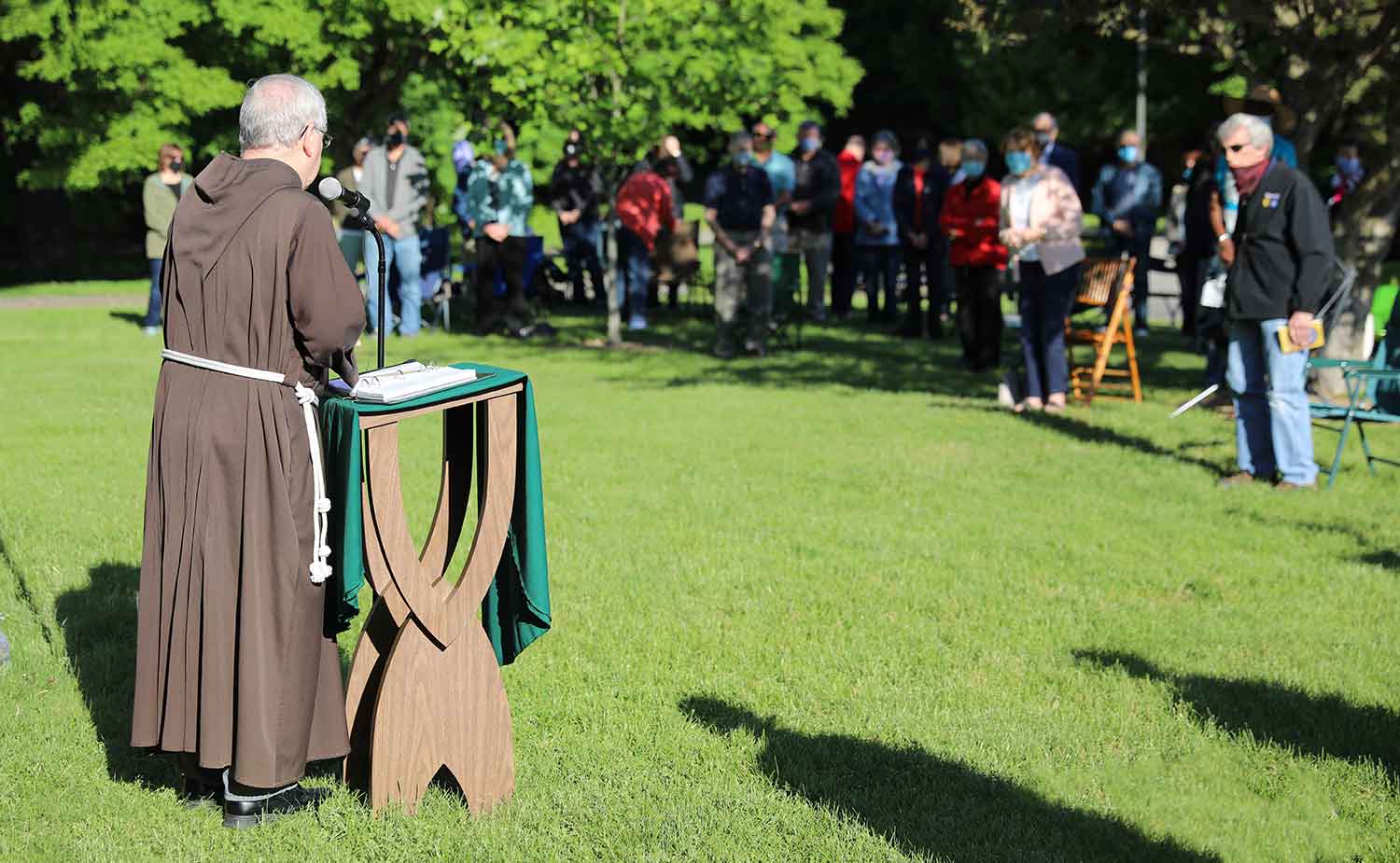
Et puis il y a les gens. Chaque jour de la semaine, une trentaine de personnes viennent assister à notre eucharistie en plein air. C'est notre contribution au culte à l'époque du COVID-19. Il est presque amusant de prier dans ce cadre, en présence des arbres verts contre le ciel bleu - la plupart des jours ont été ensoleillés - avec le chœur des oiseaux qui chantent en arrière-plan.

Tout cela fait partie des bonnes nouvelles à une époque où tant de nouvelles semblent mauvaises.

Je pense aux paroles de l'hymne, “pour les merveilles qui nous étonnent, merci à Dieu”.”

Prophets and Parables

Par le Père Tom Zelinski, OFM Cap.

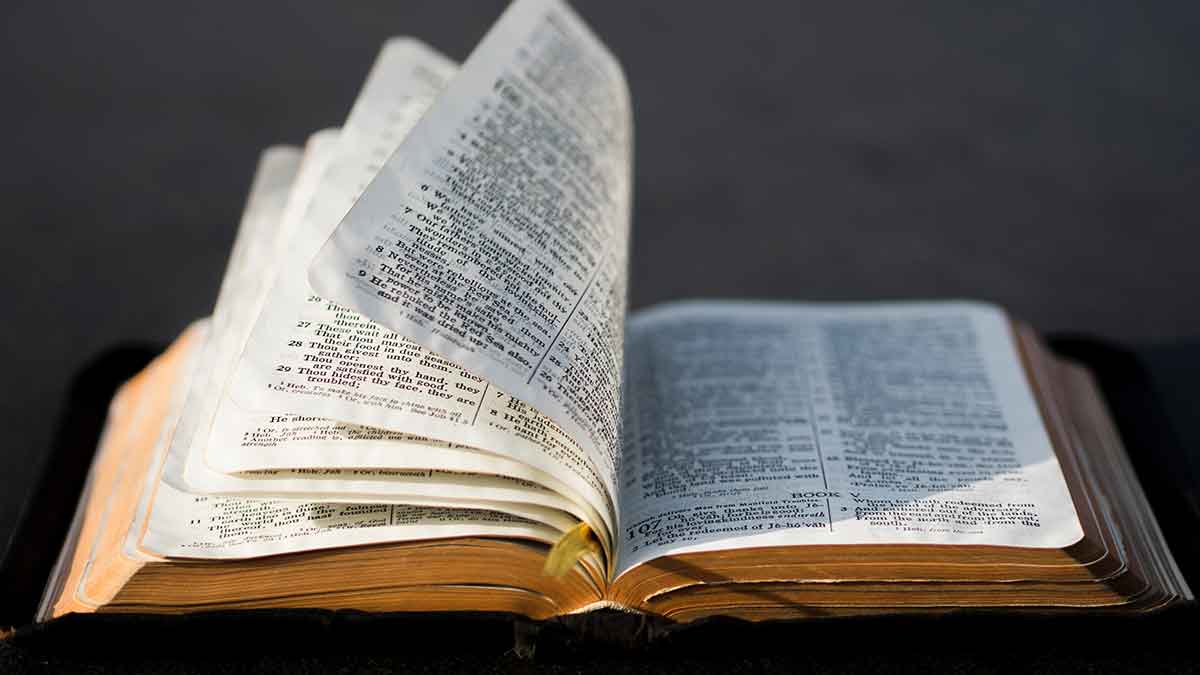
During these weeks at Mass we have been reading scriptures which express different ways in which God wants to communicate with the people. We have words of prophecy and words of parables. As Jesus says in several places in the Gospel, if we have ears to hear, we ought to hear!

But with the scriptures, hearing takes some discernment and interpretation. The words of the prophets in the Bible are directed to people living thousands of years ago, dealing with issues of those times. We are to hear the message and apply it to ourselves. The message is often about honesty and integrity and worshiping God in sincerity and truth. Often the words are directed at religious and civil leaders who are acting unjustly toward the people. How is our sincerity, our justice toward others? When we worship, is it mostly empty ritual or are we acting justly and “walking humbly with our God,” as Micah tells us?

With parables, the message is less direct. Jesus speaks in stories, images, little twists which are aimed at getting us to look again at our lives. Where is the Reign of God? How is the Reign of God present to us? Jesus bases his stories on ordinary things: farming, gardening, shepherding, baking.

The thought occurs to me that we could use his formula and apply it to ourselves. “The Reign of God is like our family gathered at Thanksgiving.” “The Reign of God is like my workplace.” “The Reign of God is like taking care of my grandchildren.” There could be many examples. If we believe God is present to us everywhere, then why not see our stories as parables of that presence? What do we see? What do we hear?

Restez au courant des actualités de la Retraite des Capucins